


Meet Walman Optical Lab
Since 1915, Walman Optical has served thousands of independent eye care professionals providing solutions for all of their optical needs. Our experienced and knowledgeable team is here to help your business grow while providing quality eyewear and unmatched service for an exceptional patient experience.

Our Optical Labs
We bring you the most advanced technology in digital surfacing, coating technologies and edging accuracy. Plus, receive live personalized service ready to provide you with an exceptional level of care.

Our Products
We partner with major manufacturers to produce their lenses and coatings within Walman Optical labs to ensure you get consistent quality and turn-time regardless of the lens design you prefer.

Our Partnership
We are more than just a lab, we are your true business partner focused on what you need to grow your revenue, increase your profits and ensure that your patients know you are the only option for their eyewear.
-
NEW Transitions® Gen S™ Lenses Now Available
Apr 10, 2024, 20:32 PMFull story
-
April Monthly Focus Is Here
Apr 2, 2024, 10:40 AM Set Your Practice Apart From Competition By Committing To Selling Your Patients The BestFull story
 -
March Monthly Focus Is Here
Mar 5, 2024, 10:24 AM Prepare your practice for the new Transitions® Gen S™ launch on April 9th.Full story
 -
Want to become ABO Certified?
Feb 27, 2024, 08:39 AMJoin us for a 2 part ABO Exam review series.Full story -
Save Your Seat: Walman University Seattle, WA
Feb 6, 2024, 08:31 AMFull story -
Save Your Seat: Walman University Bloomington, MN
Jan 8, 2024, 09:25 AMFull story
-
Focus on the patient journey in 2024!
Jan 3, 2024, 08:02 AM View the latest Monthly Focus Newsletter for ways to enhance the patient experience in your practice.Full story
 -
Virtual Dispensing Academy Registration Open
Dec 18, 2023, 10:26 AMFull story -
Registration is Now Open: Walman University Davenport, IA
Dec 12, 2023, 09:29 AMFull story
-
Why Does Frame Size Matter?
Dec 11, 2023, 11:52 AMHeld Friday, December 15 at 11:00 A.M. CSTFull story -
Optomizing Your Optometric Practice
Dec 5, 2023, 10:56 AM
Get your guide to effective appointment management in the December Monthly Focus!Full story -
Foundations Training is Coming to Minneapolis, MN
Nov 28, 2023, 10:00 AMFull story -
Mastering Corridors for Optimal Progressive Lens Performance
Nov 27, 2023, 15:38 PMHeld Friday, December 1st at 11:00 A.M. CST.Full story -
5 Tips to Delivering Outstanding Patient Care
Nov 7, 2023, 09:10 AM
Check out the latest Monthly Focus Newsletter to learn more!Full story -
Live Webinar: Dealing with Difficult Patients and Troubleshooting
Oct 16, 2023, 08:13 AMEarn 1 Technical Level 1 ABO Credit this Friday!Full story -
October Monthly Focus is Here!
Oct 3, 2023, 08:47 AM
Discover the 7 ways to increase revenue per patient in your practice!Full story -
It’s the final day of Vision Expo West!
Sep 30, 2023, 10:00 AM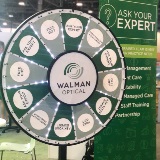 Stop by booth #F11079 to spin the wheel, Ask Your Expert a question to help your practice become more successful and enter to win our daily prize, an Oculus Quest 2. Winner will be announced right here at 1:00 p.m. PST. Update: The winner is Jon Hershman.Full story
 -
We’re back at it for Day 2 of Vision Expo West!
Sep 29, 2023, 11:30 AM Stop by booth #F11079 to Ask Your Expert one of your burning questions about lab work, profitability, managed care, entire staff training and more! Plus, enter to win today’s prize, a $500 Visa Gift Card. Winner will be announced right here at 5:00 p.m. PST. Update: Today's winner is Ali Van LeuvenFull story
 -
We're At Vision Expo West!
Sep 28, 2023, 09:44 AM Stop by booth #F11079 to spin the wheel, grab a cookie and enter to win today’s daily prize, an iPad Air. Winner will be announced right here at 5:00 p.m. PST. UPDATE: Today's winner is Francesa FerrariFull story
 -
Registration Is Now Live: Virtual Walman University
Sep 19, 2023, 09:14 AMFull story
- 1 (current)
- 2
- 3
- 4
- 5